Start here
The Short Version of How Dogs Learn
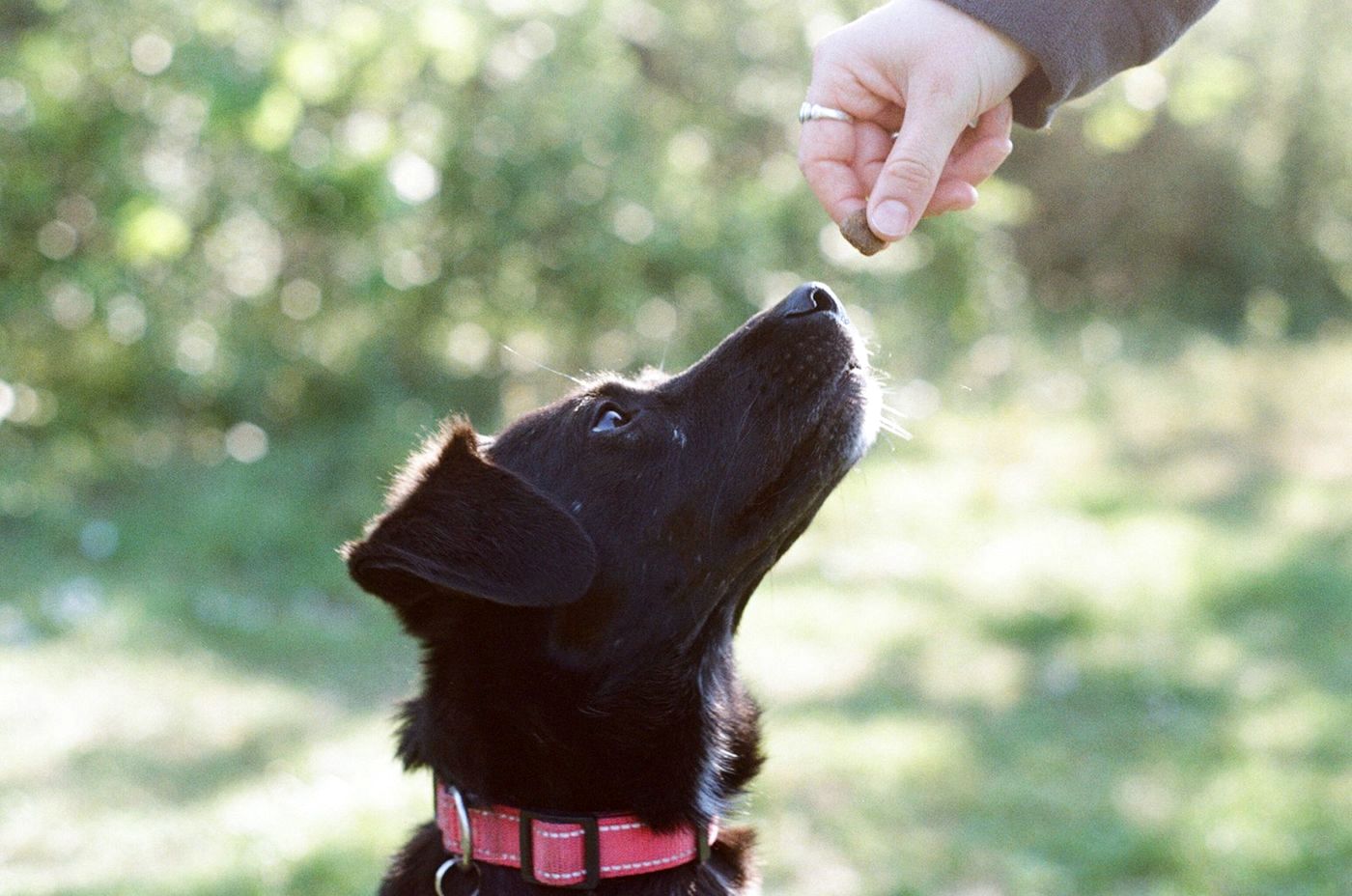
A dog repeats whatever pays off. Good trainers arrange things so the behavior you want pays off often and the behavior you do not want gets boring. Everything below, from one-hour lessons to multi-week stays, is a variation on that idea.
Choose your path
Six Ways to Get Help
Each guide describes one option in plain terms, shows a general price range and lists what to ask before you commit to anything.
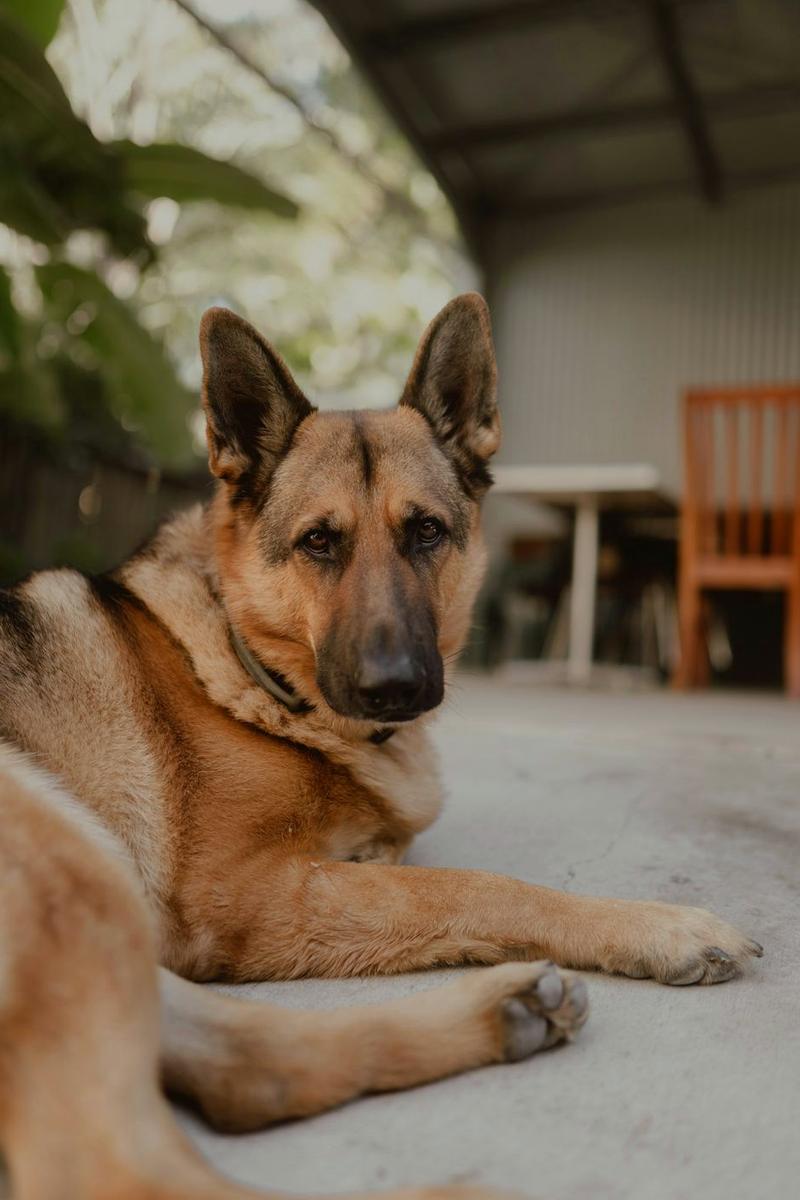
Private Dog Training
In a private lesson one trainer works with you and your dog alone, usually on two or three goals you pick in advance.
$75 to $150 per lessonRead the guide →
Puppy Training
Puppy work is less about tricks and more about routines: where to go potty, what is safe to chew and how to feel calm when a leash clips on.
$150 to $350 per lesson packageRead the guide →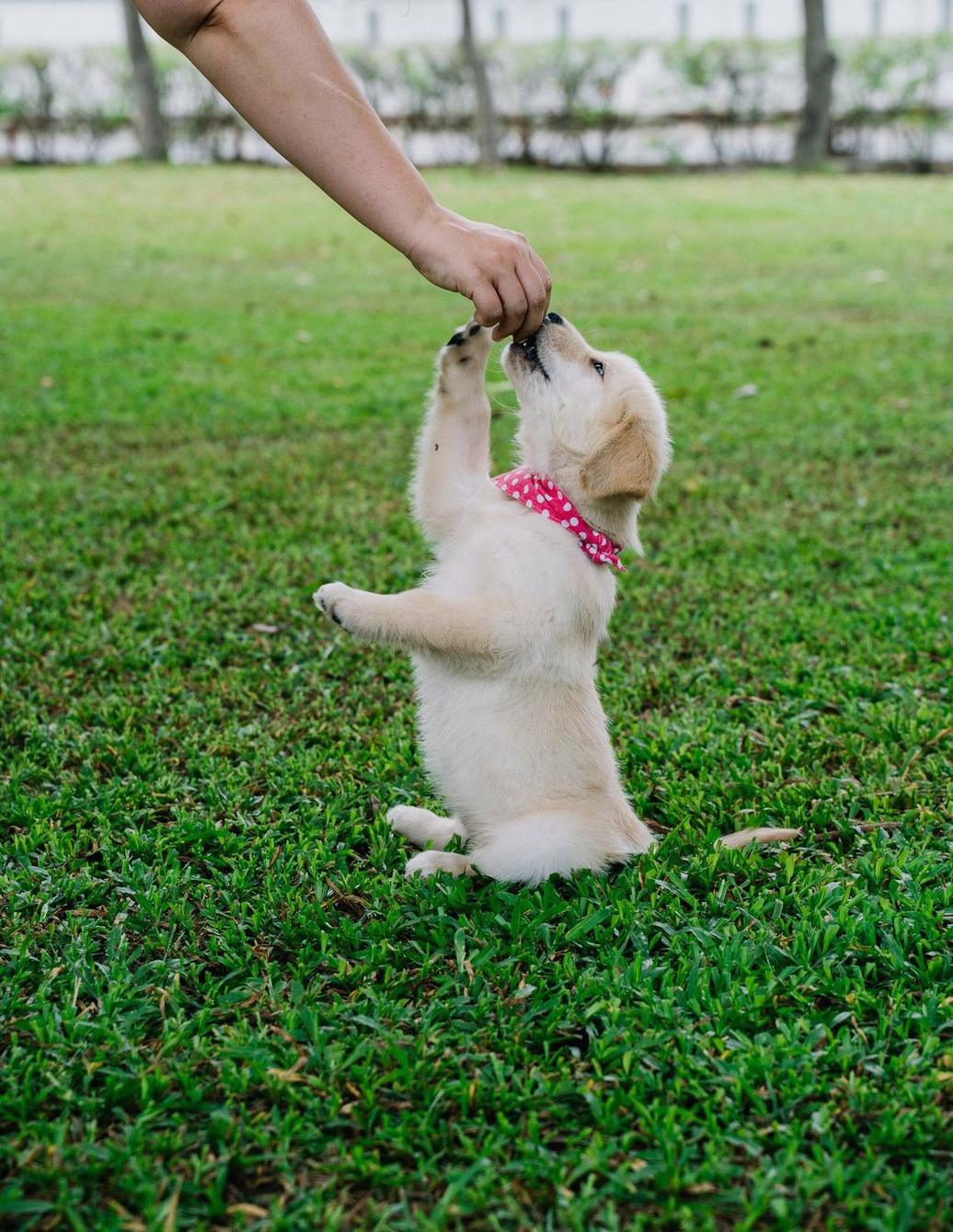
In-Home Dog Training
A house call lets a trainer watch the problem where it lives, whether that is a noisy front door, a crowded kitchen or a hallway outside your unit.
$100 to $200 per lessonRead the guide →
Dog Obedience Training
Obedience packages bundle the core manners of daily life: sit, down, wait, loose-leash walking and a reliable come-when-called.
$500 to $1,200 per packageRead the guide →
Dog Behavior Coaching
Barking at the window, lunging on walks and distress when you leave are all signals of how a dog feels, not stubbornness.
$600 to $1,800 per programRead the guide →
Board and Train
During a board and train, your dog lives at the trainer's home or facility for a set stretch while skills are drilled daily, then you learn how to maintain them at pickup.
$1,500 to $2,500+ for a 2 to 3 week stayRead the guide →General estimates only. Prices vary by trainer, dog and market.
Training up close
Small moments, steady dogs
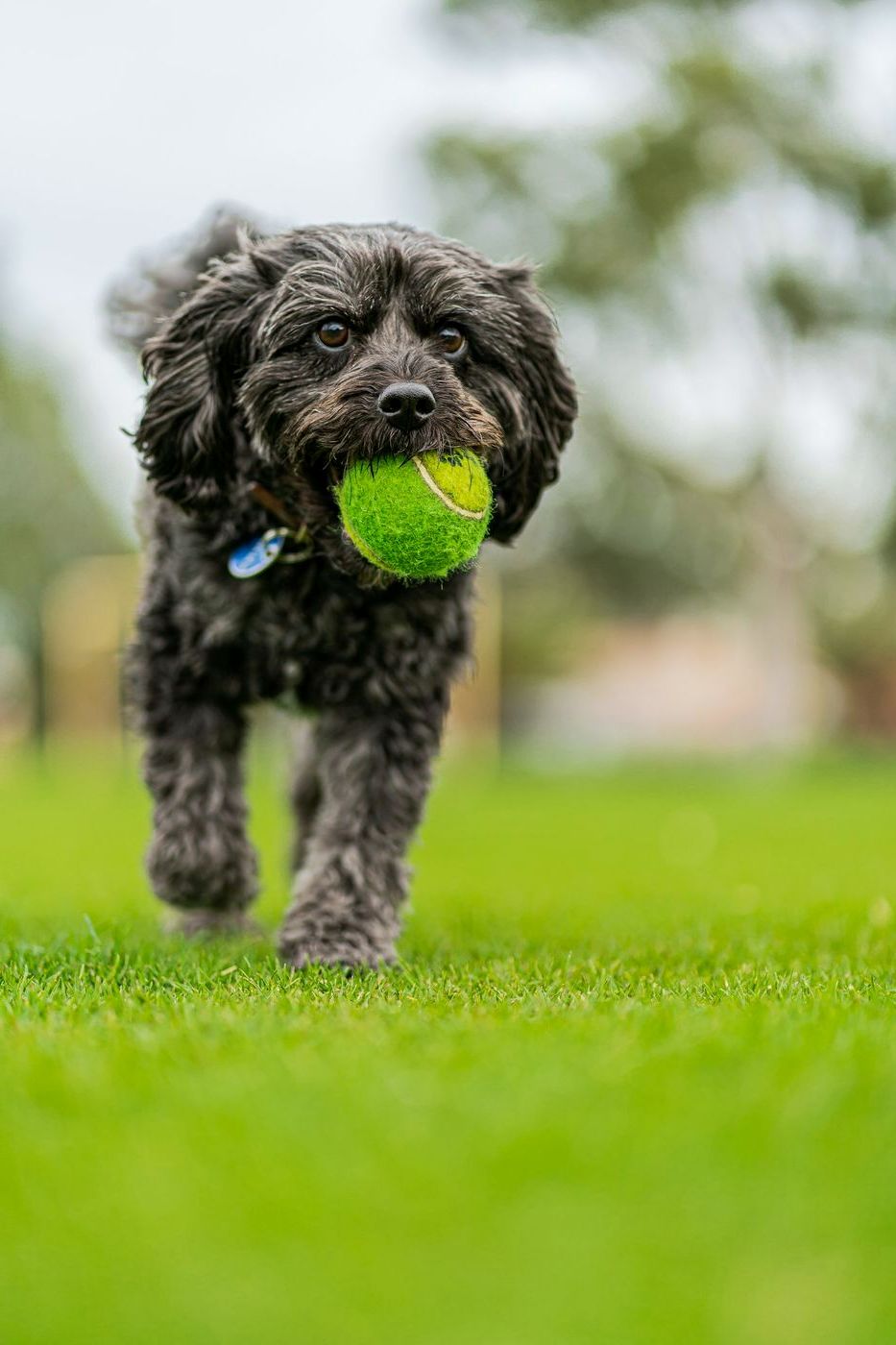
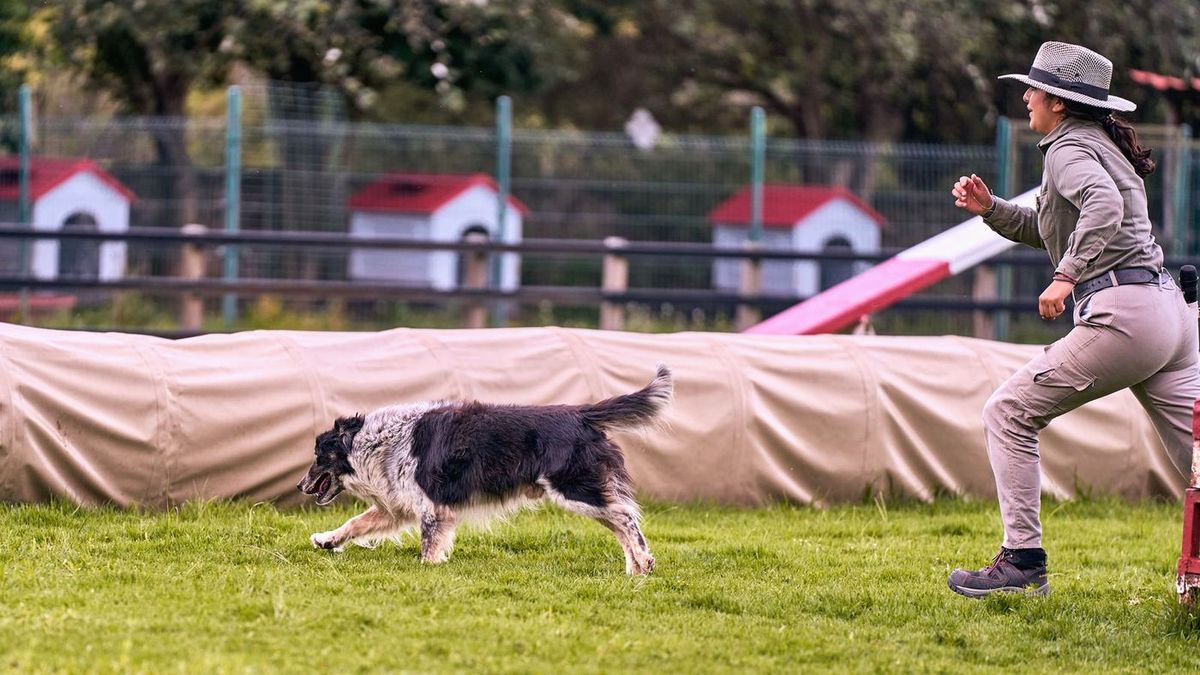
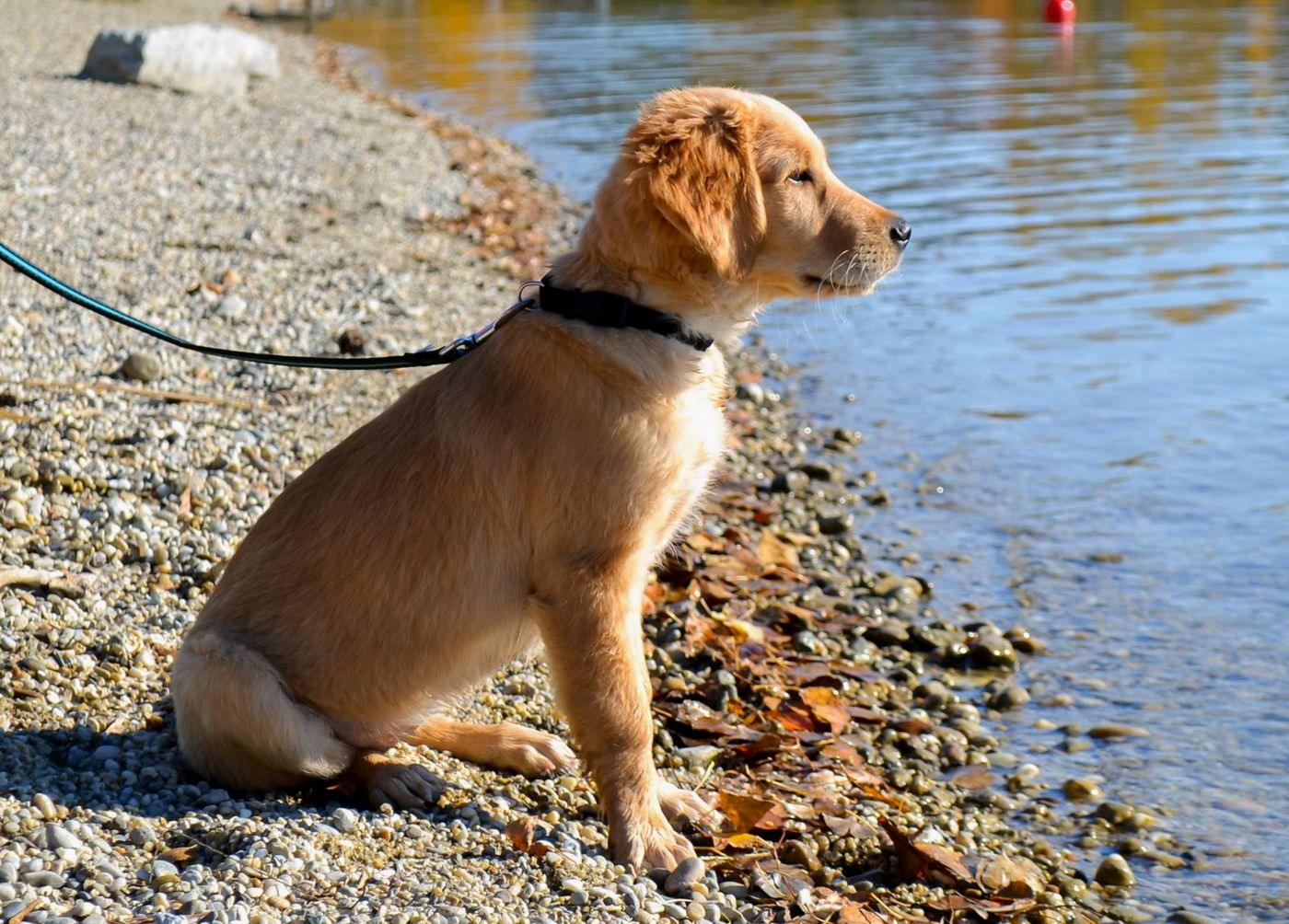
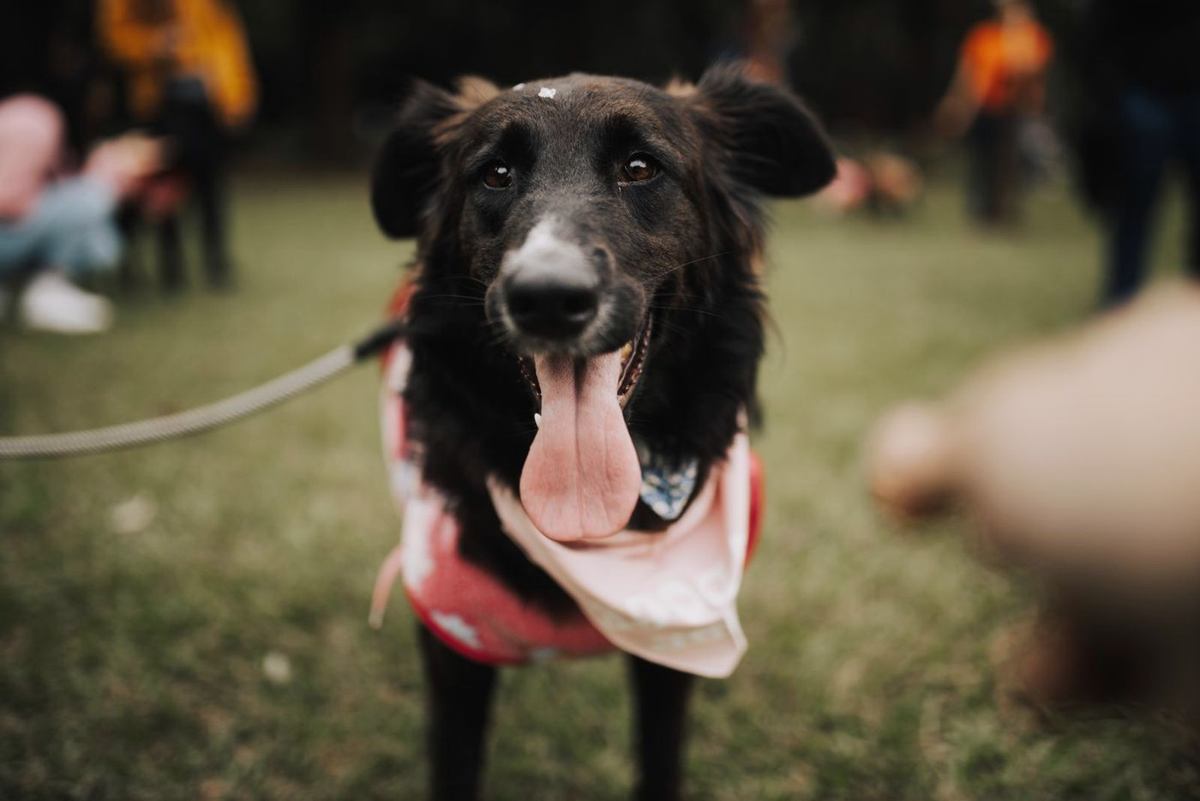
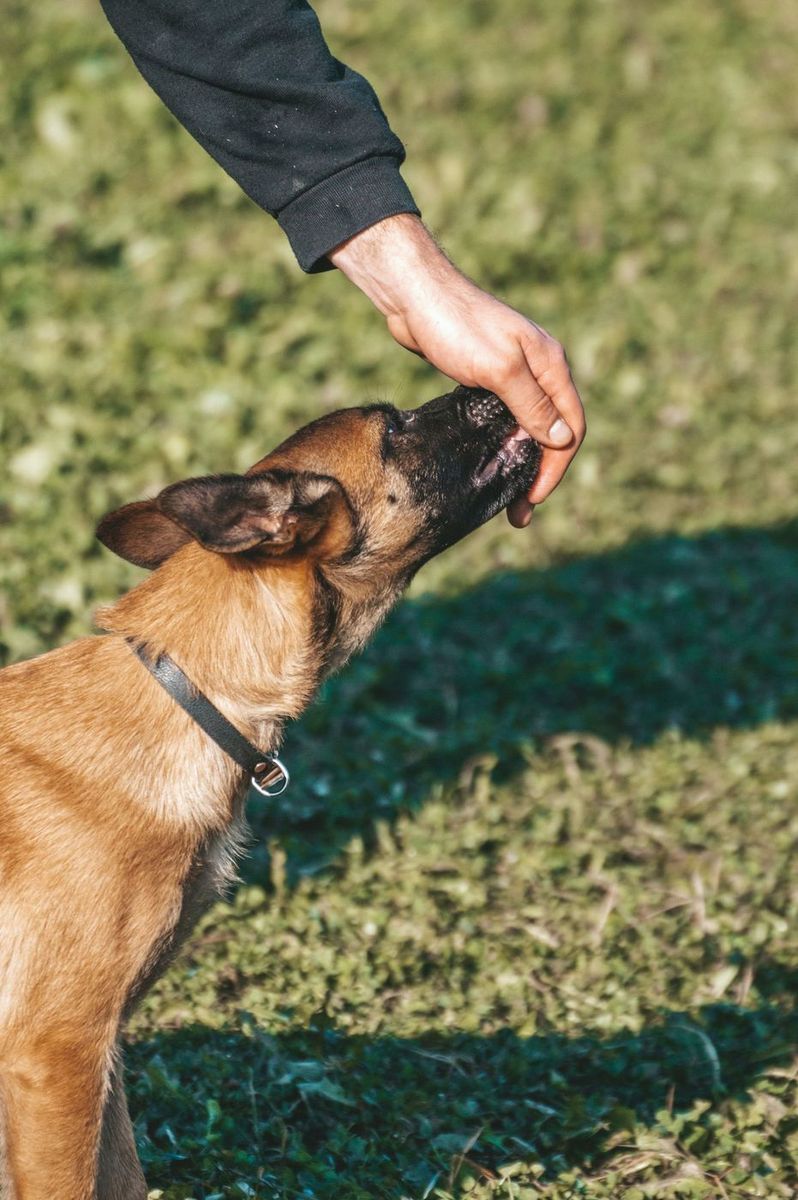
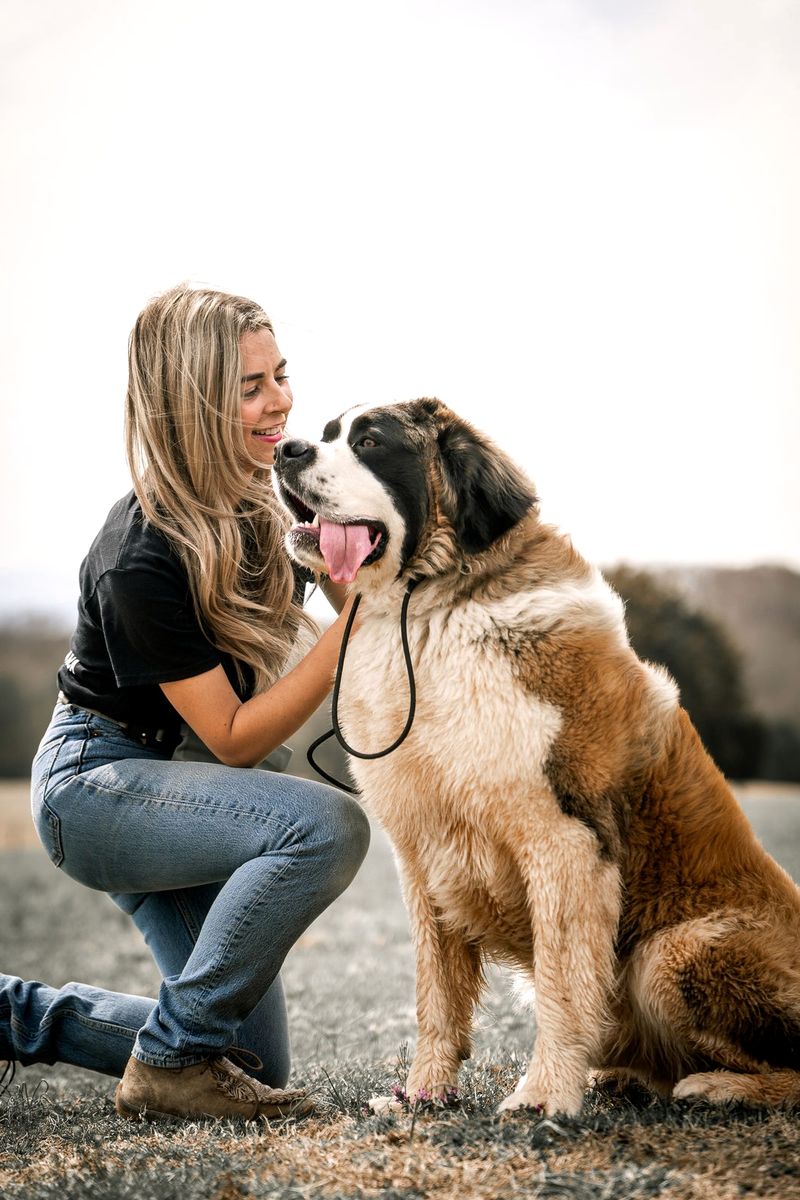
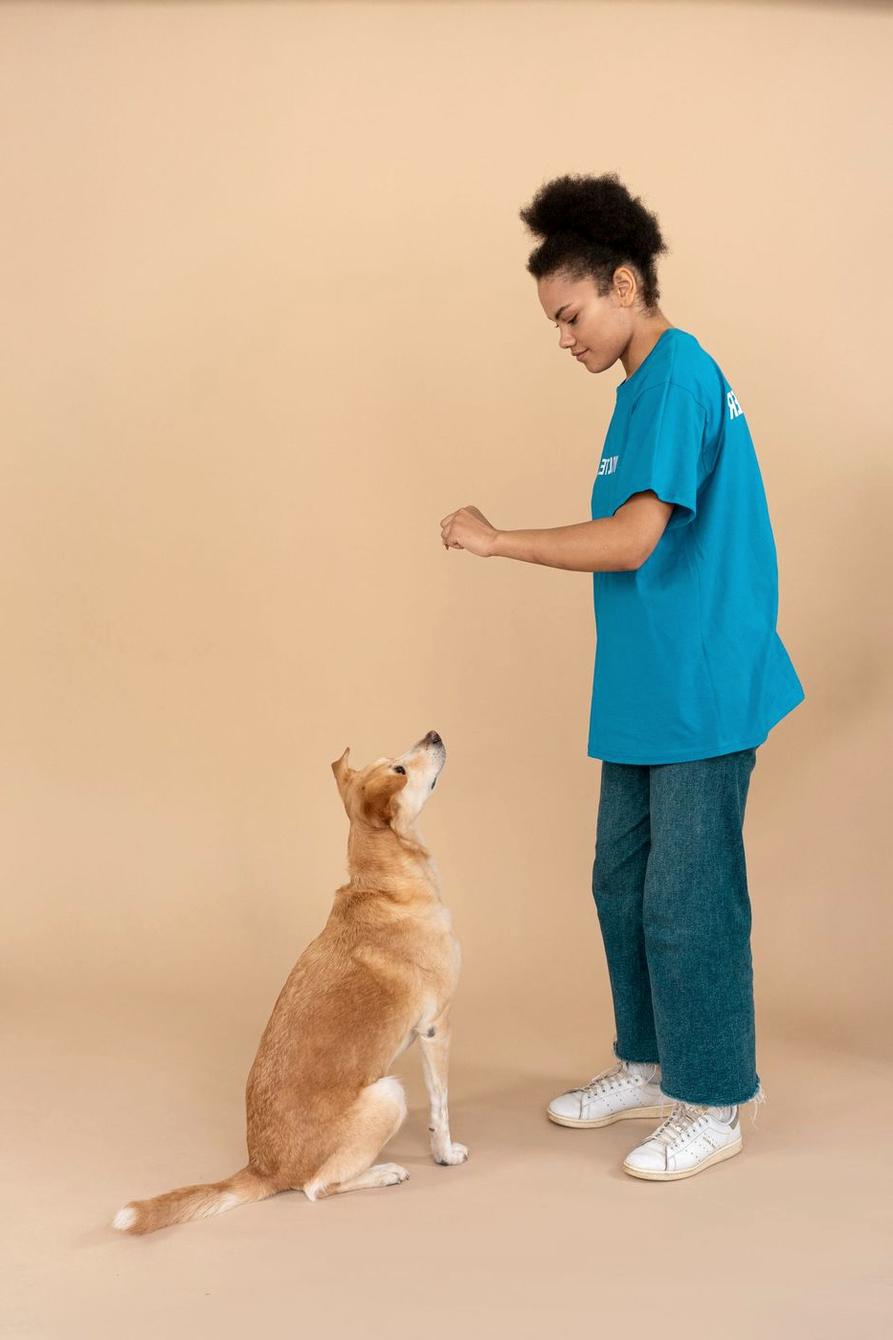
Good training is mostly calm repetition. These frames show what that looks like once a dog gets the idea.
Behind this guide
Facts first. No sales pitch.
Dog training can feel like a maze of jargon and surprise bills. This guide tries to lay out the basics: the main program types, the factors behind their cost and a sensible way to judge a trainer.
The city pages note roads, parks and local conditions using public information. Nothing here is paid for or placed by an advertiser.
About this guide →How it works
Three easy steps
- 01
Browse the programs
Every page explains one kind of help and what usually drives its cost.
- 02
Compare the ranges
Seeing typical prices first helps you set a budget before any conversation.
- 03
Prepare your questions
Use the checklists in the guides so you know what to ask a trainer.
Service areas
Pick Your Part of the County
Short write-ups on the streets, green spaces and routines that shape a dog's day in each city.
How this guide works
Simple language. Clear limits.
Published by K9PN. The Disclaimer explains the limits.
Trainer availability
Status Check
We are lining up professional trainers in Miami, and nobody is taking requests from this site yet. In the meantime you can learn the vocabulary, size up costs and read about the part of the county you live in.
- No forms, accounts or phone calls involved
- Cost ranges to anchor your budget
- A page for each city in the guide
Good questions
Before you begin.
What should I budget for dog training in Miami?
Expect roughly $75 to $150 for a single private lesson, and $1,500 to $2,500 or more for a multi-week board and train. Each trainer sets a price.
Is there a booking form?
No. Requests are closed for now, and nothing on this site collects your information.
What makes a trainer worth considering?
Look for clear explanations, patient reward-based methods, a written plan and a straight answer about price.
What age can dogs start learning?
Puppies can start simple routines at home right away; ask your veterinarian before public outings. Adult and senior dogs can learn too.
Should I pick lessons or a stay?
It depends. Lessons teach you directly, while a stay concentrates daily work on the dog. Your schedule and your dog's temperament decide.
How does hot weather change the work?
Mostly the timing. Walks move to morning or evening, and indoor games cover the middle of the day.